Fanglin KnittingCustomized high-end clothing knitted sweater
Fanglin KnittingCustomized high-end clothing knitted sweater
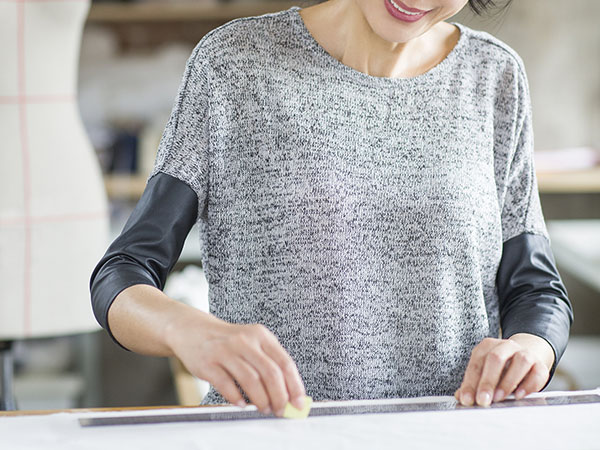
Sweaters, as the fashion darlings of autumn and winter, are deeply loved by the public for their soft and comfortable touch and warm performance. However, the problem of pilling on sweaters often troubles people. Once a sweater is originally beautiful, pilling not only affects its appearance but also reduces the comfort of wearing it. So, what exactly are the factors influencing the pilling of sweaters?
The material of a sweater is one of the key factors determining whether it is prone to pilling. There are obvious differences in pilling characteristics between natural fibers and chemical fibers. Although natural fibers such as wool and cashmere are soft and warm, there is a scaly structure on the surface of their fibers. During wearing and friction, these scales tend to entwine with each other, causing the fibers to clump together and form pilling balls. Moreover, the length and fineness of the fibers will also affect the pilling situation. Generally speaking, the shorter and finer the fibers are, the weaker their cohesion will be, and they are more likely to slide out of the yarn during friction, thus forming pilling balls. For instance, some sweaters made of fine wool may have a more obvious pilling phenomenon compared to those made of coarse wool.
Among chemical fibers, sweaters made of materials such as acrylic and polyester have a relatively high probability of pilling. Acrylic fibers have high strength and good elasticity, but their surface smoothness is relatively poor. When rubbing against other objects, the fibers are prone to break and entangle with each other, forming pilling balls. Although polyester fibers have good wear resistance, they have poor moisture absorption. In a dry environment, the friction between fibers increases, which can also easily lead to pilling.
The knitting technique of sweaters also has a significant impact on pilling. The tight weaving structure can enhance the cohesion between yarns, reduce the slippage of fibers during friction, and thereby lower the possibility of pilling. On the contrary, a loose weaving structure will increase the gaps between the yarns, making the fibers more prone to falling off and entangling due to external friction, thus forming pilling. For instance, ribbed sweaters are usually tighter than plain knitted ones and have relatively less pilling. In addition, the twist of the yarn also affects pilling. Yarn with a high twist ensures that the fibers are more closely combined and is less likely to pill. Yarns with low twist tend to have loose fibers and an increased risk of pilling.
Dressing and maintenance methods are also factors that cannot be ignored. When worn daily, the frequent friction between sweaters and items such as coats and backpacks will accelerate the wear and entanglement of fibers, causing pilling. For instance, when wearing a sweater with a rough coat or carrying a backpack for a long time, the shoulders, elbows and other parts of the sweater are prone to pilling. In terms of maintenance, incorrect washing methods can also cause pilling. Using overly alkaline detergents, water that is too hot or rubbing vigorously can all damage the fibers, making them more prone to pilling. In addition, incorrect drying methods, such as hanging sweaters on sharp hangers to dry, may cause the fibers to deform or break, increasing the possibility of pilling.
Understanding the factors that affect the pilling of sweaters can help us make more suitable choices when purchasing sweaters and take corresponding measures during wearing and maintenance to reduce the occurrence of pilling, keeping sweaters always beautiful and comfortable.
 Tel+86 137-1187-6288
 ContactManager Zhang
 AddNo. 729, Songfo Road, Dalang Town, Dongguan City, Guangdong Province
 WeChat consultationMobile site