
Fanglin KnittingCustomized high-end clothing knitted sweater
Fanglin KnittingCustomized high-end clothing knitted sweater
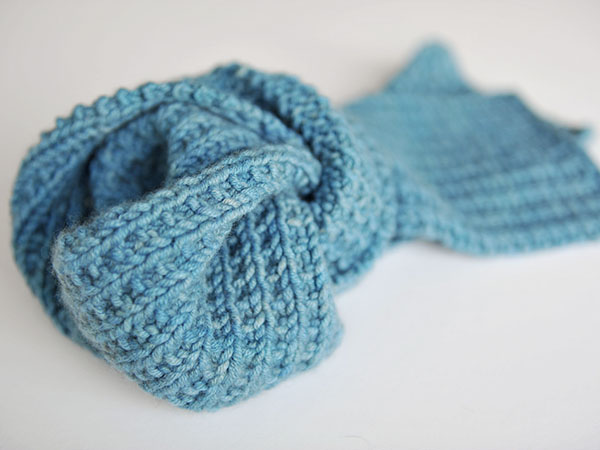
The seemingly ordinary knitted sweater actually carries a long history of development, witnessing the progress of human civilization and the changes in fashion trends.
The origin of knitting technology can be traced back to ancient times. Early humans began to try to simply wrap their bodies with natural materials such as animal skins and leaves to resist the cold. With the deepening of understanding of nature and the development of manual skills, people gradually mastered the skill of weaving animal hair and other fibers into clothes. The initial production process of knitted sweaters was rather primitive, with simple tools, mostly hand-woven, and the styles were relatively monotonous, mainly focusing on warmth and practicality. These early knitted sweaters, though rough, were the crystallization of human wisdom, providing necessary warmth for humans in harsh natural environments.
In medieval Europe, knitted sweaters began to have new developments. The monks of the monastery became important inheritors of the knitting technique. In the quiet monastery, they wove sweaters of various styles with their dexterous hands. These sweaters are not only used to meet their own wearing needs, but also have become items for external communication and trade. At that time, knitted sweaters gradually became more diverse in style, with different collar and sleeve designs emerging, and colors also began to diversify. Although the color options were relatively limited due to the dyeing techniques of the time, they had already demonstrated a certain degree of decorative quality.
The advent of the Industrial Revolution brought about earth-shaking changes to the knitted sweater industry. Mechanized production has replaced traditional hand knitting, significantly enhancing production efficiency and reducing costs, which has enabled the large-scale production and popularization of knitted sweaters. In the factory, advanced knitting machines are running at full speed, and sweaters of uniform style and stable quality are continuously produced. During this period, the styles of knitted sweaters became more diverse, ranging from simple pullovers to cardigans and vests, meeting the wearing needs of different groups of people. Meanwhile, with the development of transportation and trade, knitted sweaters began to circulate globally. The cultural and fashion elements of different regions merged with each other, further enriching the design styles of knitted sweaters.
By the 20th century, the rapid changes in fashion trends brought more innovations to knitted sweaters. Designers have begun to boldly attempt to incorporate various fashion elements into the design of knitted sweaters, such as exaggerated patterns, unique cuts, and novel material combinations. Sporty knitted sweaters have become popular among sports enthusiasts and young people, exuding vitality and dynamism. The retro-style sweaters evoke people's nostalgia for the past. The minimalist style of sweaters, with their versatile features, have become a popular choice for office workers and daily wear.
Today, knitted sweaters still hold an important position in the fashion industry. With the continuous advancement of technology, the application of new fiber materials has greatly enhanced the warmth retention, comfort and breathability of knitted sweaters. Meanwhile, the concept of sustainable development has also driven the knitted sweater industry towards an environmentally friendly and green direction. More and more brands are beginning to use eco-friendly materials such as organic fibers and recycled fibers to make sweaters. Knitted sweaters, this garment that has endured a long time, are now presenting themselves in a brand-new look, continuing to bring warmth and fashion to people.
 Tel+86 137-1187-6288
 ContactManager Zhang
 AddNo. 729, Songfo Road, Dalang Town, Dongguan City, Guangdong Province
 WeChat consultationMobile site