
Fanglin KnittingCustomized high-end clothing knitted sweater
Fanglin KnittingCustomized high-end clothing knitted sweater
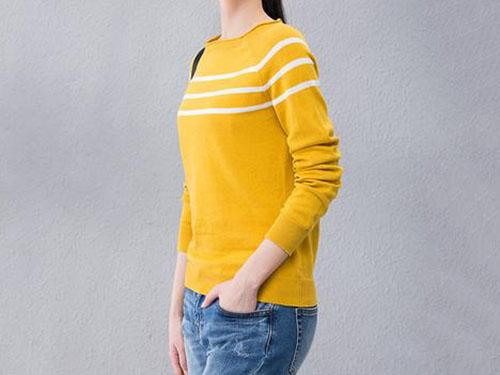
Knitted sweaters, with their soft and comfortable touch and diverse styles, have become an indispensable item in people's wardrobes. Knitted sweaters made of different materials each have their own unique features in terms of performance, appearance and wearing experience. Now, let's lift the veil of mystery surrounding the common materials of knitted sweaters for you.
Wool is one of the most classic materials for knitted sweaters. It is taken from sheep and has excellent heat retention performance. Wool fibers contain a large amount of air layers inside, which can effectively prevent the invasion of cold air from the outside while retaining the heat emitted by the human body, allowing people to feel warm even in cold weather. Moreover, wool has excellent hygroscopicity and can absorb about 30% of its own weight in moisture without feeling damp, keeping the skin dry and comfortable. However, ordinary wool sweaters may be a bit prickly, while specially treated fine-spun wool is softer and smoother, and there will be no discomfort when worn next to the skin.
Cashmere is known as the "soft gold" among knitted sweaters. It comes from the finest and softest down of goats and is scarce in production, so its price is relatively high. Cashmere fibers are fine and soft, with diameters generally ranging from 14 to 16 micrometers, much finer than wool. Therefore, sweaters made from them have an extremely delicate touch, and when worn close to the skin, they feel as if gently wrapped by clouds. The warmth retention of cashmere is 1.5 to 2 times that of wool, yet it is lighter in weight, making it effortless to wear. In addition, cashmere has a good luster and elasticity. If properly cared for, a cashmere sweater can accompany us for many years.
Mohair is also a unique material for knitted sweaters. It is derived from Angora goats, with long and smooth fibers that have a unique luster and fluffiness. Ma Hai's woolen sweater has a fashionable appearance, giving people a sense of magnificence and romance. It has good thermal insulation and certain anti-wrinkle properties, and is not easy to deform. However, Ma Hai's woolen sweaters are prone to shedding, so special attention should be paid when wearing and washing them.
Acrylic is a synthetic fiber and is often used to make knitted sweaters. It has an appearance and feel similar to wool, but its price is relatively affordable. Acrylic sweaters have good warmth retention, are wear-resistant, wrinkle-resistant, not prone to pilling, and are relatively easy to take care of. However, acrylic has poor moisture absorption and is less breathable than natural fibers. In a humid environment, it may make people feel a bit stuffy and hot.
Polyester is also one of the common materials for knitted sweaters. Polyester fibers have high strength and good elasticity. The sweaters made from them are crisp and well-shaped, and are not prone to deformation. It also has good light resistance and corrosion resistance, and a long service life. However, polyester has poor moisture absorption and breathability. When worn, it may generate static electricity and attract dust. To improve these shortcomings, nowadays many polyester knitted sweaters are blended with other fibers to enhance the comfort of wearing.
Cotton knitted sweaters are favored by many people for their breathability and moisture absorption. Cotton fibers are soft and comfortable, friendly to the skin, and suitable for people with sensitive skin. Cotton sweaters can be worn as light jackets in summer and provide a certain degree of warmth in spring and autumn. However, cotton sweaters have relatively weak warmth retention and are prone to wrinkling, so they need to be ironed frequently.
Knitted sweaters of different materials each have their own advantages and disadvantages. We can choose the sweater that suits us based on our own needs, budget and the occasion of wearing. Whether it's classic wool, luxurious cashmere, fashionable mohair or affordable synthetic fibers, they can all add a touch of warmth and charm to our outfits.
 Tel+86 137-1187-6288
 ContactManager Zhang
 AddNo. 729, Songfo Road, Dalang Town, Dongguan City, Guangdong Province
 WeChat consultationMobile site