
Fanglin KnittingCustomized high-end clothing knitted sweater
Fanglin KnittingCustomized high-end clothing knitted sweater
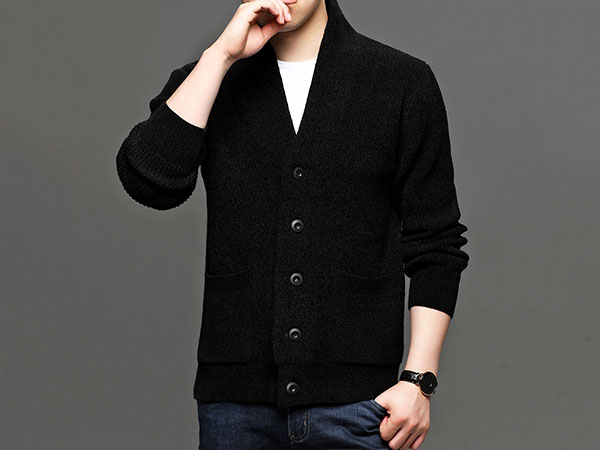
As the weather gradually warms up, the thick and warm sweater has fulfilled its mission in the cold season and is about to be stored away. However, storing sweaters is not as simple as simply stuffing them into the wardrobe. If the method is inappropriate, when taken out again the following year, problems such as deformation, insect infestation, and mold may occur. So, how should we store sweaters correctly?
Before storing sweaters, cleaning is indispensable. After a winter of wearing, it is inevitable that the sweater will be covered with dust, sweat stains and dander. If the sweaters are stored directly without being washed, these stains will become a breeding ground for bacteria, causing them to mold and develop an unpleasant smell. When washing sweaters, choose the appropriate washing method according to their material. For sweaters made of natural fibers such as wool and cashmere, it is best to hand wash them. Use a mild neutral detergent and gently rub in warm water at around 30℃. Avoid twisting forcefully to prevent damage to the fibers. After cleaning thoroughly, gently press with a clean towel to absorb the excess water, then lay it flat to dry, avoiding direct sunlight. If it is a machine-washable sweater made of materials such as acrylic, you should also choose the gentle mode and put it in a laundry bag to reduce friction on the sweater.
The dried sweaters need to be sorted out. Lay the sweater flat on the table and gently smooth out the wrinkles, especially at the collar, cuffs and hem. For knitted sweaters that are prone to deformation, a steam iron can be used during the finishing process. Gently iron them at a certain distance from the sweater to restore their flatness. However, it should be noted that the ironing temperature should not be too high to avoid scalding the fibers. The sorted sweaters can be classified by color, style or material, which will make it easier to find them the following year.
The next step is to choose the appropriate storage container. Plastic storage boxes have the advantages of moisture-proof and dust-proof, making them a good choice for storing sweaters. Before putting the sweater into the storage box, you can lay a layer of clean paper towels or moisture-proof pads at the bottom of the box to absorb the possible moisture. If you are worried about the sweater being squeezed and deformed, you can also place some supports in the storage box, such as foam boards or clothes hangers. In addition, vacuum compression bags are also a tool used by many people to store sweaters, as they can effectively save space. However, it should be noted that prolonged use of vacuum compression bags may cause certain damage to the fibers of sweaters, especially those made of wool, cashmere and other materials. Therefore, it is not recommended to store high-end sweaters in vacuum compression bags for a long time.
To prevent sweaters from being eaten by insects, some insect repellents can be placed in the storage containers. Common insecticides include camphor balls and natural camphor wood strips, etc. However, it should be noted that camphor balls have a rather pungent smell. When using them, avoid direct contact with sweaters. You can wrap them in paper towels before putting them in. Natural camphor wood strips have a fresh smell and cause less damage to sweaters, making them a relatively environmentally friendly choice.
Finally, place the container for storing the sweaters in a dry, well-ventilated and cool place, avoiding direct sunlight and damp environments. In this way, when the weather turns cool again, you can take out your sweater in perfect condition and continue to enjoy the warmth and comfort it brings.
 Tel+86 137-1187-6288
 ContactManager Zhang
 AddNo. 729, Songfo Road, Dalang Town, Dongguan City, Guangdong Province
 WeChat consultationMobile site