
Fanglin KnittingCustomized high-end clothing knitted sweater
Fanglin KnittingCustomized high-end clothing knitted sweater
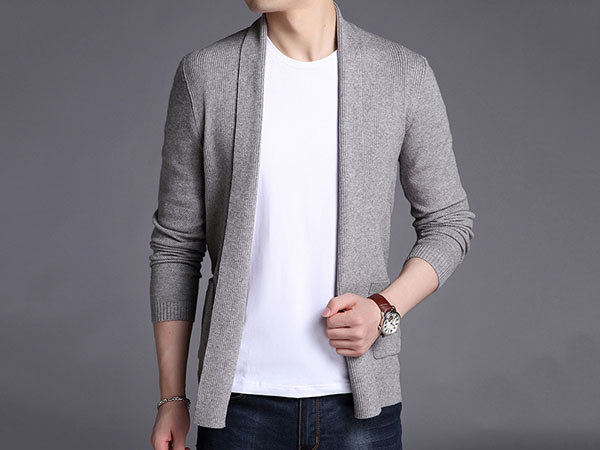
Knitted sweaters are soft, skin-friendly, warm and comfortable, making them indispensable fashion items in autumn and winter. However, the material of knitted sweaters is rather delicate. A slight mistake during hand washing may lead to deformation, shrinkage or damage. To keep your beloved knitted sweater in the best condition all the time, the following important issues need to be noted when hand washing.
The choice of water temperature is of vital importance. The fibers of knitted sweaters are quite sensitive to temperature. If the water temperature is too high, the fibers will shrink rapidly, causing the sweater to shrink and deform. If the water temperature is too low, the detergent may not be effectively dissolved, affecting the cleaning effect. Generally speaking, warm water at around 30℃ is the most suitable. When preparing the cleaning water, you can first feel the water temperature with your hand to ensure it is neither too hot nor too cold. If it is a cold winter, you can first let the tap water stand for a while until its temperature approaches room temperature before using it.
The selection of detergent also requires caution. Knitted sweaters should avoid using ordinary alkaline detergents, as these detergents can damage the fibers of the sweaters, making them rough and lose their luster. It is recommended to use neutral detergents specifically designed for materials such as wool and cashmere. These detergents are mild in nature and can better protect the fiber structure of sweaters. If there is no special detergent available, a mild baby shampoo can also be used as a substitute. It also has a good cleaning effect and will not cause damage to the sweater. When using detergent, it is important to control the amount used. Excessive detergent not only makes it difficult to rinse thoroughly but may also leave residues on the sweater, affecting the comfort of wearing.
The movements during hand washing should be gentle. Put the knitted sweater in warm water, add an appropriate amount of detergent, and gently stir to allow the detergent to dissolve fully. Then fully immerse the sweater in water and let it soak for 10 to 15 minutes to allow the stains to soften thoroughly. During the soaking process, do not rub the sweater vigorously to avoid the fibers getting tangled together. For areas prone to dirt such as the collar and cuffs, you can gently press and rub them with your fingers to remove stains. If there are stubborn stains on the sweater, you can apply a small amount of detergent to the stained area, let it stand for a few minutes and then wash it, but you should also be gentle with your movements.
The rinsing process must not be taken lightly either. Rinse the sweater repeatedly with clean water until there is no detergent left in the water. During the rinsing process, you can gently squeeze the sweater to squeeze out the excess water, but do not twist it forcefully, otherwise it will cause the sweater to deform. If you are worried about the sweater deforming, you can place it on a clean towel, gently roll up the towel to absorb the moisture in the sweater.
There are also certain considerations regarding the drying method. Knitted sweaters should not be hung directly on hangers to dry, as this will cause the sweaters to be stretched and deformed under the effect of gravity. The correct way is to lay the sweater flat on a clean clothes drying basket or a well-ventilated surface and let it dry naturally. Avoid direct sunlight as the ultraviolet rays in the sun can cause the fibers of the sweater to age and fade. If the weather is humid, you can place a fan beside the sweater to speed up air circulation and help the sweater dry faster.
Hand-washing knitted sweaters requires carefulness and patience, paying attention to every step such as water temperature, detergent, hand-washing movements, rinsing and drying. Only in this way can the knitted sweaters always remain soft, comfortable, beautiful and elegant, accompanying us through more warm times.
 Tel+86 137-1187-6288
 ContactManager Zhang
 AddNo. 729, Songfo Road, Dalang Town, Dongguan City, Guangdong Province
 WeChat consultationMobile site