
Fanglin KnittingCustomized high-end clothing knitted sweater
Fanglin KnittingCustomized high-end clothing knitted sweater
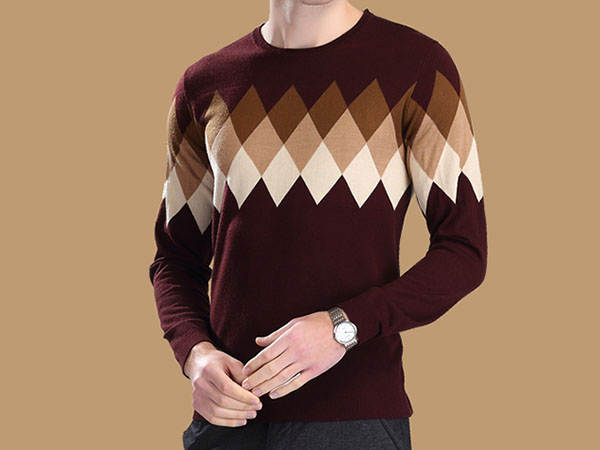
Sweaters, as regulars in autumn and winter wardrobes, are deeply loved by people for their soft texture, excellent warmth retention and diverse styles. However, the washing of sweaters is often a headache. A slight mistake may cause them to deform and lose their original beauty and texture. So, how can we keep sweaters in perfect shape after washing?
Before washing sweaters, the preparatory work is of vital importance. Carefully check the washing label on the sweater. It will clearly indicate key information such as the washing method and water temperature limit. This is the "action guide" for washing. At the same time, prepare the appropriate washing tools, such as a mild special detergent, which can effectively remove stains and minimize damage to the sweater fibers to the greatest extent.
The water temperature for washing is one of the key factors determining whether a sweater will deform. Too hot water can cause the fibers of sweaters to expand and become loose, leading to shrinkage and deformation. Water that is too cold may not dissolve the detergent thoroughly, affecting the cleaning effect. Generally speaking, warm water around 30℃ is the most suitable. This temperature can ensure that the detergent works fully without causing damage to the fibers of the sweater. Pour an appropriate amount of detergent into warm water, stir evenly and let the detergent dissolve fully.
Gently immerse the sweater in water with dissolved detergent for a few minutes, allowing the stains to gradually loosen under the effect of the detergent. The soaking time should not be too long; 10 to 15 minutes is sufficient. Otherwise, the fibers of the sweater may be damaged if soaked for a long time. After soaking, gently rub the sweater with your hands, focusing on cleaning the areas prone to dirt such as the collar, cuffs and hem. However, the movements must be gentle and avoid pulling hard. For stubborn stains, do not scrub with hard objects such as brushes. You can apply a small amount of detergent again and gently massage the stained area with your fingers.
The rinsing process must not be taken lightly either. Rinse the sweater repeatedly with clean water until there is no detergent left in the water. Each time you rinse the sweater, try to gently squeeze out the water instead of twisting it forcefully, as twisting can cause the fibers of the sweater to twist and deform.
When dehydrating, it is best to place the sweater on a clean towel, gently roll up the towel, and use the towel to absorb the excess water in the sweater. If you use a washing machine to spin dry, be sure to choose the low-speed mode and put the sweater in a laundry bag. This can reduce the shaking and friction of the sweater during the spin-drying process and lower the risk of deformation.
There are also certain rules to follow when drying sweaters. Avoid hanging sweaters directly on hangers to dry, as the weight of wet sweaters can cause the shoulders to be stretched out like "general shoulders". The correct way is to lay the sweater flat on a clean clothes drying basket or a well-ventilated surface and let it air dry naturally. If the weather permits, you can also choose to dry the sweater in a cool and well-ventilated place, but avoid direct sunlight as ultraviolet rays can cause the fibers of the sweater to age and discolor.
As long as you master these little tips for washing sweaters, you can keep them in their original shape and texture after washing, accompanying us through one warm and fashionable autumn and winter after another.
 Tel+86 137-1187-6288
 ContactManager Zhang
 AddNo. 729, Songfo Road, Dalang Town, Dongguan City, Guangdong Province
 WeChat consultationMobile site