Woolen fabrics are textiles made from animal hair fibers such as wool and cashmere or wool-like chemical fibers through processes like spinning and weaving. They are mainly classified into three types: fine-spun woolen fabrics, coarse-spun woolen fabrics, and plush fabrics [1-3]. Fine-spun woolen fabric is woven from combed wool yarns. Representative varieties include Huada and Vallidin
How to wash knitted sweaters without shrinking? The core methods to prevent knitted sweaters from shrinking are hand washing with cold water, using neutral detergent, and avoiding mechanical force that damages the fiber structure. Pre-treatment before washing 1. Cold water pre-soaking : After dusting the sweater, soak it in cold water for 10-15 minutes to soften the fibers and remove the floating dust. Youdaoplaceholder0 2. Deconstructing detergent : Mix neutral detergent in a ratio of 3:1 (special wool detergent is better), and avoid using laundry powder containing alkaline components
The repair method for holes in a knitted sweater: Knitted sweaters are gentle companions in the wardrobe, but small holes accidentally scratched can be a headache. Don't worry. Today, let's talk about some tips for mending holes in knitted sweaters and give your beloved clothes a new look! Timely repair is very important. Once a small hole is found in a knitted sweater, it must not be delayed. These little holes are like naughty children. If you ignore them, they will grow up quietly. By then, it will be much more difficult to repair them. I once had such an experience. A beloved knitted sweater had to be abandoned in the end because the small hole was not dealt with in time. So, when a hole is found, timely repair is the key!
Knitted sweaters are soft, skin-friendly, warm and comfortable, making them indispensable fashion items in autumn and winter. However, the material of knitted sweaters is rather delicate. A slight mistake during hand washing may lead to deformation, shrinkage or damage. To keep your beloved knitted sweater in the best condition all the time, the following important issues need to be noted when hand washing. The choice of water temperature is of vital importance. The fibers of knitted sweaters are quite sensitive to temperature. If the water temperature is too high, the fibers will shrink rapidly, causing the sweater to shrink and deform. If the water temperature is too low, the detergent may not be effectively dissolved, affecting the cleaning effect. Generally speaking, warm water at around 30℃ is the most suitable.
The seemingly ordinary knitted sweater actually carries a long history of development, witnessing the progress of human civilization and the changes in fashion trends. The origin of knitting technology can be traced back to ancient times. Early humans began to try to simply wrap their bodies with natural materials such as animal skins and leaves to resist the cold. With the deepening of understanding of nature and the development of manual skills, people gradually mastered the skill of weaving animal hair and other fibers into clothes. The initial production process of knitted sweaters was rather primitive, with simple tools, mostly hand-woven, and the styles were relatively monotonous, mainly focusing on warmth and practicality.
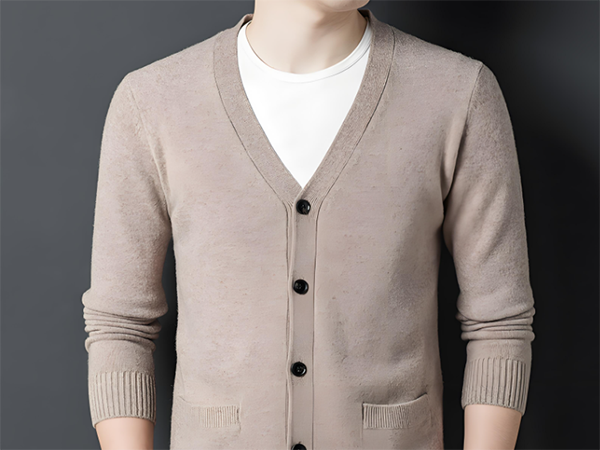
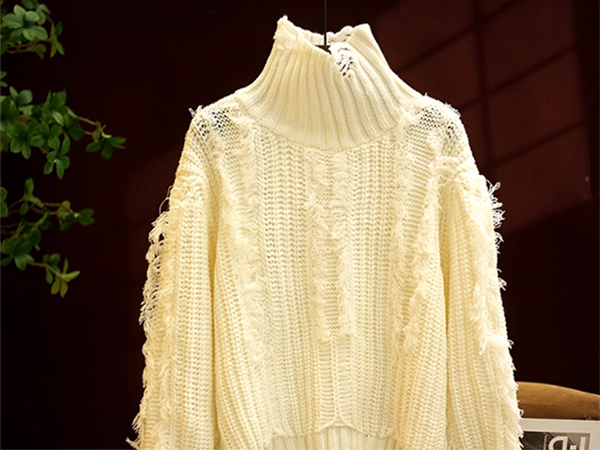
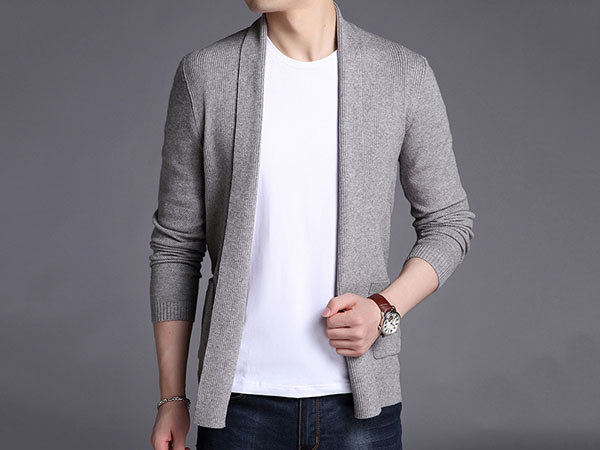
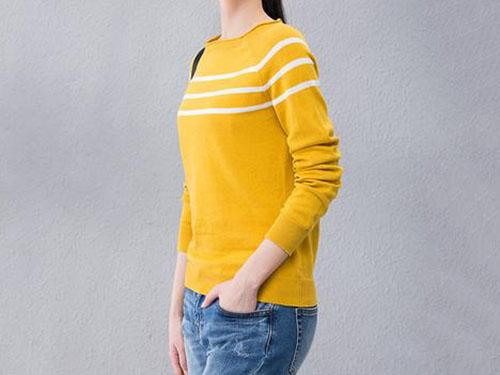
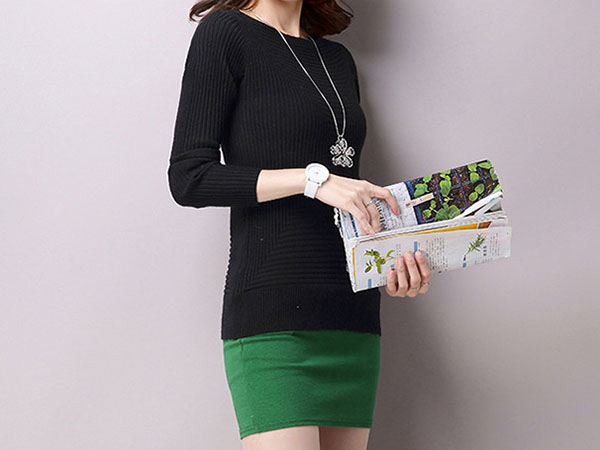
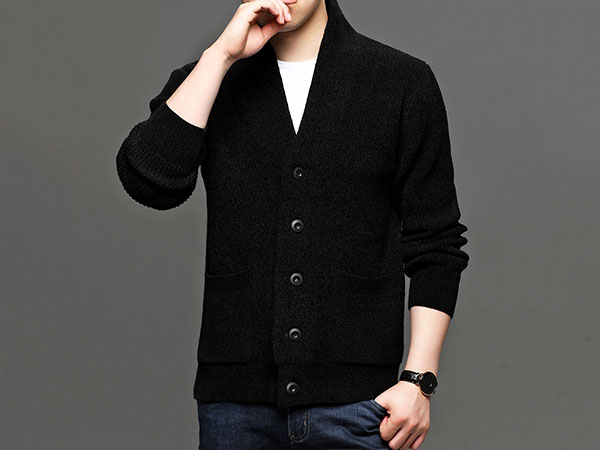
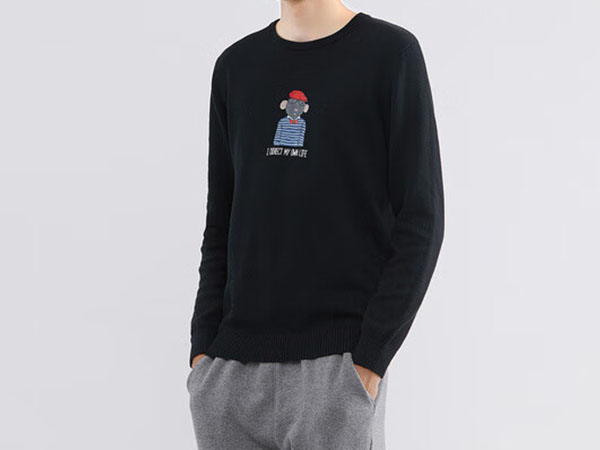
Knitted sweaters, with their soft and comfortable touch and diverse styles, have become an indispensable item in people's wardrobes. Knitted sweaters made of different materials each have their own unique features in terms of performance, appearance and wearing experience. Now, let's lift the veil of mystery surrounding the common materials of knitted sweaters for you. Wool is one of the most classic materials for knitted sweaters. It is taken from sheep and has excellent heat retention performance. Wool fibers contain a large amount of air layers inside, which can effectively prevent the invasion of cold air from the outside while retaining the heat emitted by the human body, allowing people to feel warm even in cold weather. Moreover, wool has excellent hygroscopicity and can absorb 30% of its own weight
As the seasons change, warm and thick sweaters are about to bid farewell to the wearing stage and enter the storage stage. The storage of sweaters is not about placing them randomly. If some key issues are not paid attention to, when they are taken out again the following year, they may encounter many problems such as deformation, insect infestation and mold. The following issues to be noted when storing sweaters should be kept in mind. Cleanliness is the primary prerequisite for the storage of sweaters. Throughout the entire wearing season, sweaters absorb a large amount of dust, dander, as well as sweat and oil secreted by the human body. If these stains are not cleaned thoroughly before being stored directly, they will become a breeding ground for bacteria, not only causing the sweater to develop an unpleasant smell but also possibly leading to mold
As the weather gradually warms up, the thick and warm sweater has fulfilled its mission in the cold season and is about to be stored away. However, storing sweaters is not as simple as simply stuffing them into the wardrobe. If the method is inappropriate, when taken out again the following year, problems such as deformation, insect infestation, and mold may occur. So, how should we store sweaters correctly? Before storing sweaters, cleaning is indispensable. After a winter of wearing, it is inevitable that the sweater will be covered with dust, sweat stains and dander. If the sweaters are stored directly without being washed, these stains will become a breeding ground for bacteria, causing them to mold and develop an unpleasant smell.
When we choose mid-to-high-end sweaters, the seemingly mysterious symbols on the trademarks often hide important information. They are like silent language, conveying to us key contents such as the material of the sweater and the requirements for washing and maintenance. Understanding the meanings of these symbols can help us better select and care for the sweaters we like. The material symbol of high-end sweaters is an important manifestation of their quality. The material symbol on the trademark enables us to clearly know what the sweater is made of. The common "W" stands for Wool. Wool has the advantages of good warmth retention and strong moisture absorption, and is a high-quality material commonly used in mid-to-high-end sweaters. "WS" stands for cashmere
Total9
Result Pages1 |
This page1
9First page
7Previous
Next8
Last Page:
Jump


 Tel+86 137-1187-6288
 ContactManager Zhang
 AddNo. 729, Songfo Road, Dalang Town, Dongguan City, Guangdong Province
 WeChat consultation