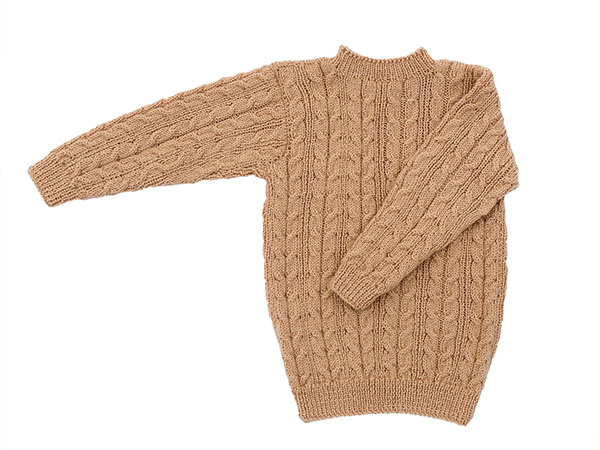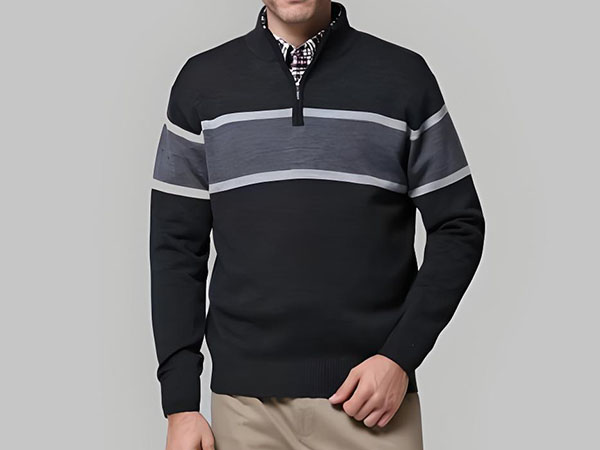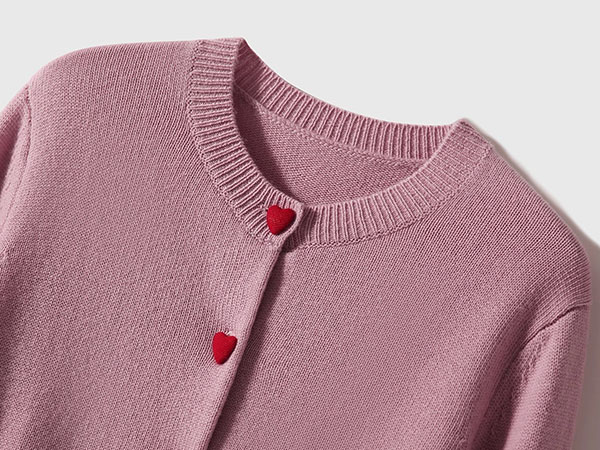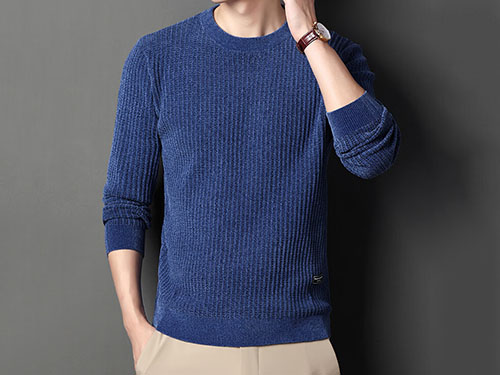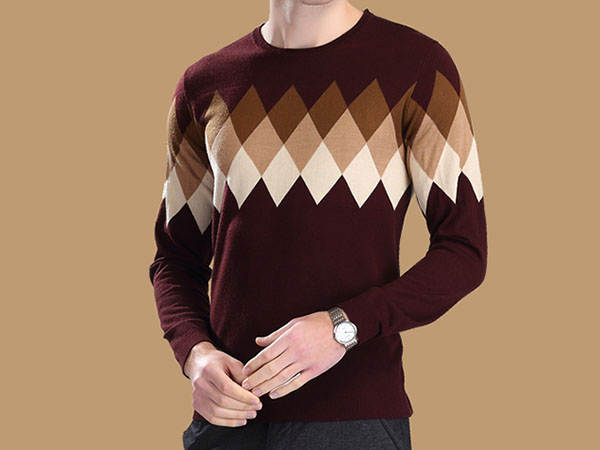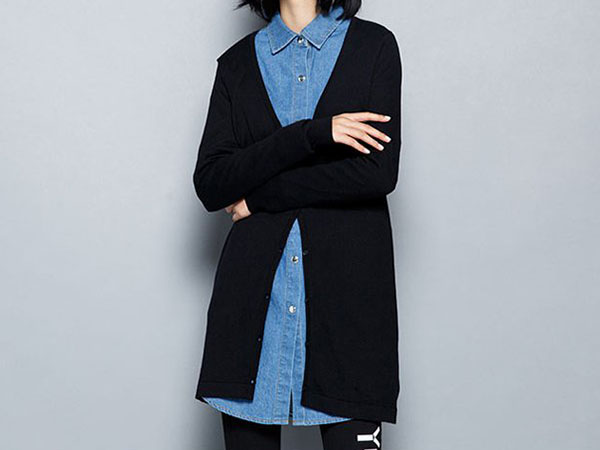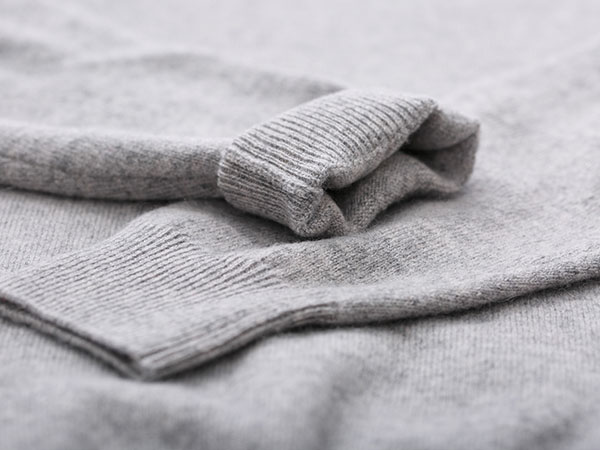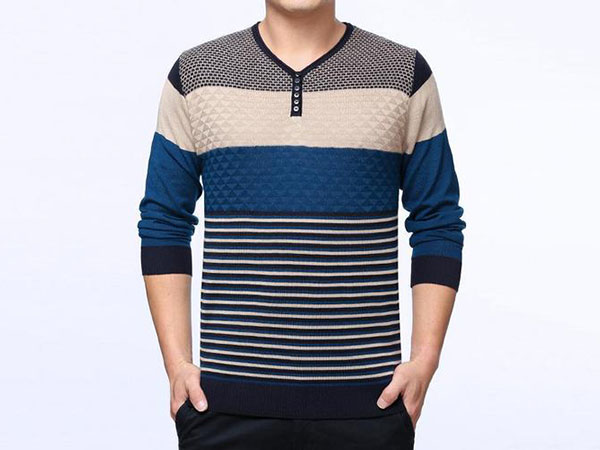
In autumn and winter, knitted sweaters, with their soft and warm properties, become essential items in people's wardrobes. However, some knitted sweater fabrics are both loved and hated. After wearing them, the skin feels pricked and very uncomfortable. Don't worry. Here are several methods to solve the problem of knitted sweater fabric pricking people. When washing and softening the fabric of a newly bought knitted sweater, it often causes pricking because the surface of the fibers is relatively rough. By using the correct washing method, fibers can become soft and smooth. Prepare a basin of warm water, keeping the temperature around 30℃. Add an appropriate amount of neutral detergent and stir well.
Mid-to-high-end sweaters, with their exquisite craftsmanship, high-quality fabrics and unique designs, have become fashionable items for people to showcase their taste and temperament. However, if you want these sweaters to always remain as good as new, daily maintenance is of vital importance. The wearing stage is the beginning of maintenance. The materials of mid-to-high-end sweaters are usually rather delicate. When wearing them, try to avoid contact with sharp objects such as keys and zippers to prevent the fibers from being scratched and affecting the appearance. At the same time, it is necessary to avoid wearing the same sweater continuously for a long time, allowing the fibers sufficient rest time to regain their elasticity. Because sweaters are subject to the pressure from human activities and the external environment during wearing
Knitted sweaters are soft, comfortable and warm, and are regulars in wardrobes during autumn and winter. However, during the wearing process, it is inevitable that various stains will get on it, such as oil stains, juice stains, lipstick marks, etc., which is extremely troublesome. Don't worry. Here are some tips for dealing with stains on knitted sweaters to help your beloved clothes regain their luster. If there are oil stains on a knitted sweater and they are not dealt with in time, it will not only affect the appearance but also make the stains more difficult to remove. For newly stained oil, you can quickly use a kitchen paper towel or a clean towel to gently press and absorb the excess grease on the surface. Next, sprinkle some talcum powder or cornstarch on the oil stain
In autumn and winter, knitted sweaters are indispensable fashion items in the wardrobe. They can not only keep you warm but also be easily matched to create various styles. However, there are numerous types of knitted sweaters on the market with uneven quality. When purchasing, one needs to pay attention to many issues in order to select a sweater that meets their expectations. Material is a key factor in choosing a knitted sweater. Common materials for knitted sweaters include wool, cashmere, mohair, acrylic, cotton, etc. Woolen sweaters have good warmth retention, but they might be a bit prickly. Fine-spun wool, on the other hand, is relatively soft. Cashmere is known as "soft gold", with a fine texture and excellent warmth retention, but its price is relatively high. Ma Hai's woolen sweater has a fluffy and shiny appearance
Sweaters, as regulars in autumn and winter wardrobes, are deeply loved by people for their soft texture, excellent warmth retention and diverse styles. However, the washing of sweaters is often a headache. A slight mistake may cause them to deform and lose their original beauty and texture. So, how can we keep sweaters in perfect shape after washing? Before washing sweaters, the preparatory work is of vital importance. Carefully check the washing label on the sweater. It will clearly indicate key information such as the washing method and water temperature limit. This is the "action guide" for washing. At the same time, prepare appropriate washing tools, such as mild special detergent
On the fashion stage of autumn and winter, sweaters are undoubtedly the most eye-catching stars. It is soft and skin-friendly, warm and comfortable, and also exudes a laid-back and casual charm. However, to wear a sweater in a fashionable way, matching is the key. Here are some tips for matching sweaters for you, allowing you to easily become the center of attention on the street. The combination of sweaters and bottoms is the foundation for creating an overall look. If you choose a loose-fitting sweater, you can pair it with tight jeans or leggings for the bottom. This "loose on top and tight on top" combination can create a casual yet neat look, while also highlighting the leg lines and making the body proportions look more perfect.
Knitted sweaters are soft, skin-friendly, warm and comfortable, making them an essential item in your wardrobe for autumn and winter. However, many people have had such a problem: after washing their beloved knitted sweaters, they shrink. The originally well-fitting styles become small and tight, and can no longer be worn, so they can only be left idle. In fact, there is nothing that can be done when a knitted sweater shrinks. Here are several effective recovery methods for you. The steam ironing stretching method is a relatively common and practical approach. First, lay the shrunken knitted sweater flat on a clean table. Use a steam iron to turn on the steam mode and move it back and forth about 5 to 10 centimeters away from the surface of the sweater to iron it.
In the current era where fashion and quality are equally valued, mid-to-high-end sweaters, with their soft touch, exquisite craftsmanship and unique design, have become the darlings of many consumers' wardrobes. So, how exactly does a mid-to-high-end sweater transform from a raw material into a fashionable item? Let's step into the processing procedures behind it together. The journey of mid-to-high-end sweaters begins with the selection of high-quality raw materials. Natural fibers such as wool and cashmere are the first choice for making this type of sweater. High-quality wool fibers are long and fine, with high curling degree, and possess excellent elasticity and warmth retention. Cashmere is renowned for its softness, fineness, lightness and warmth retention, and is hailed as "soft gold".
Sweaters, as the fashion darlings of autumn and winter, are deeply loved by the public for their soft and comfortable touch and warm performance. However, the problem of pilling on sweaters often troubles people. Once a sweater is originally beautiful, pilling not only affects its appearance but also reduces the comfort of wearing it. So, what exactly are the factors influencing the pilling of sweaters? The material of a sweater is one of the key factors determining whether it is prone to pilling. There are obvious differences in pilling characteristics between natural fibers and chemical fibers. Although natural fibers such as wool and cashmere are soft and warm, there is a scaly structure on the surface of their fibers. During the process of wearing and friction
Mid-to-high-end sweaters, with their superior fabrics, exquisite craftsmanship and comfortable wearing experience, have become the favorites in many people's wardrobes. However, this type of sweater requires extra care when washed. A slight mistake may lead to deformation, shrinkage or damage. Mastering some cleaning tips can keep your mid-to-high-end sweaters looking as good as new all the time. When washing mid-to-high-end sweaters, water temperature is one of the key factors. Generally speaking, warm water at around 30℃ is the most suitable. When the water temperature is too high, natural fibers such as wool and cashmere are prone to shrinkage and deformation, resulting in a reduction in the size of the sweater. If the water temperature is too low, the detergent may not be effectively dissolved, affecting the cleaning effect.